Nature's Architecture: Integrating Structural Elements into Your Garden Design Jul 10, 2026
When initially planning your garden design, consider the balance between hardscape and softscape. Hardscape elements, such as patios, pathways, and retaining walls, set the framework for a garden. They define spaces and guide the flow of movement. Meanwhile, softscape, including plants and flowers, adds texture, color, and life to these defined areas. The key to successful garden design lies in harmonizing these elements.
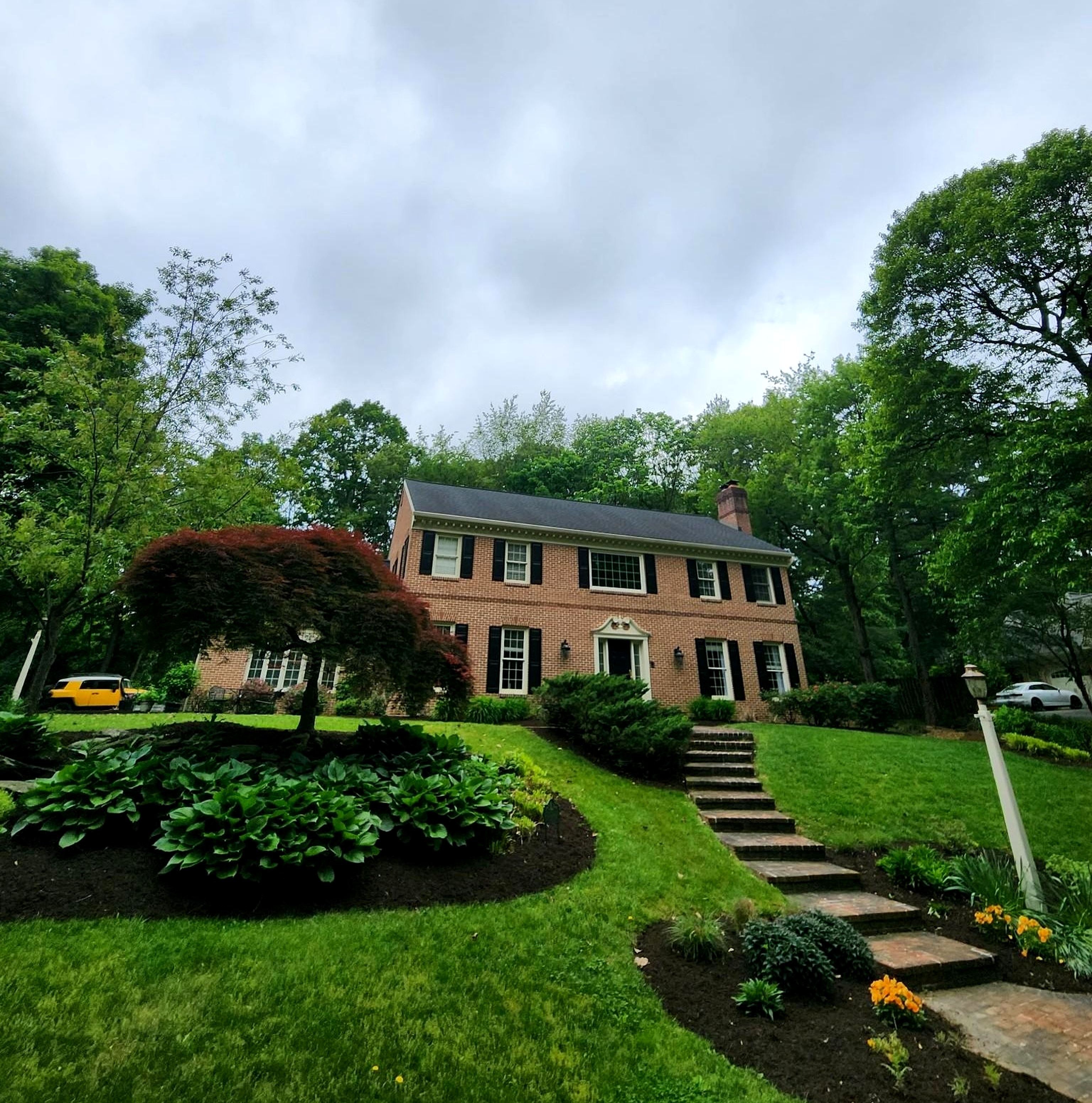
Paths and walkways are among the most impactful structural elements you can introduce to your garden. Not only do they provide access to different areas, they also direct the viewer's eye through the landscape. Materials like natural stone, brick, or gravel can add character and complement the overall garden theme. For example, a curved stone path running through lush greenery brings a sense of mystery and exploration.
Garden arbors and trellises are other structural components that can elevate your garden's design. These elements act as focal points, drawing attention to specific areas. They can be adorned with climbing plants such as roses or wisteria, adding vertical interest and enhancing privacy. The vertical layering of plants on these structures helps create a multi-dimensional space that feels both expansive and intimate.
The inclusion of a water feature can serve as the ultimate centerpiece in a landscape design. Whether it's a trickling fountain, a serene pond, or a dynamic waterfall, water features add a sensory dimension to the garden experience. The sound of running water can bring tranquility, mask undesirable noise, and even attract wildlife. Placement is crucial, ensuring the water feature is visible from key vantage points within your garden.
Retaining walls, while often used for practical purposes like preventing soil erosion, can double as attractive design features. They can be built with natural stone for a rustic appeal or concrete blocks for a more modern look. In addition to their aesthetic appeal, these walls can also serve as built-in seating areas or decorative planting beds.
As you integrate these structural elements, keep sustainability in mind by choosing environmentally friendly materials. Using locally sourced materials reduces the carbon footprint of your project. Furthermore, incorporating drought-resistant plants can conserve water and decrease the maintenance needed in your garden.
In conclusion, the integration of structural elements into your garden design can elevate your outdoor living space, creating a harmonious blend between nature and architecture. These elements not only enhance the garden's aesthetic appeal but also add functionality and value to your property. By keeping a balance between hardscape and softscape, and considering the use of sustainable materials, you can create a captivating garden that reflects your personal style and respects the environment. For those seeking professional guidance, Wiley Landscape Design is ready to assist in turning your dream garden into a reality. Whether you aim to transform a small backyard or a sprawling estate, the right design choices will ensure your outdoor space becomes a cherished retreat.
/filters:no_upscale()/filters:format(webp)/media/f520f8ce-19ff-4a4e-8a1f-53cbba8afa38.jpeg)
/filters:no_upscale()/filters:format(webp)/media/7d0c3a18-3892-491d-a532-492bb26f3d61.jpeg)