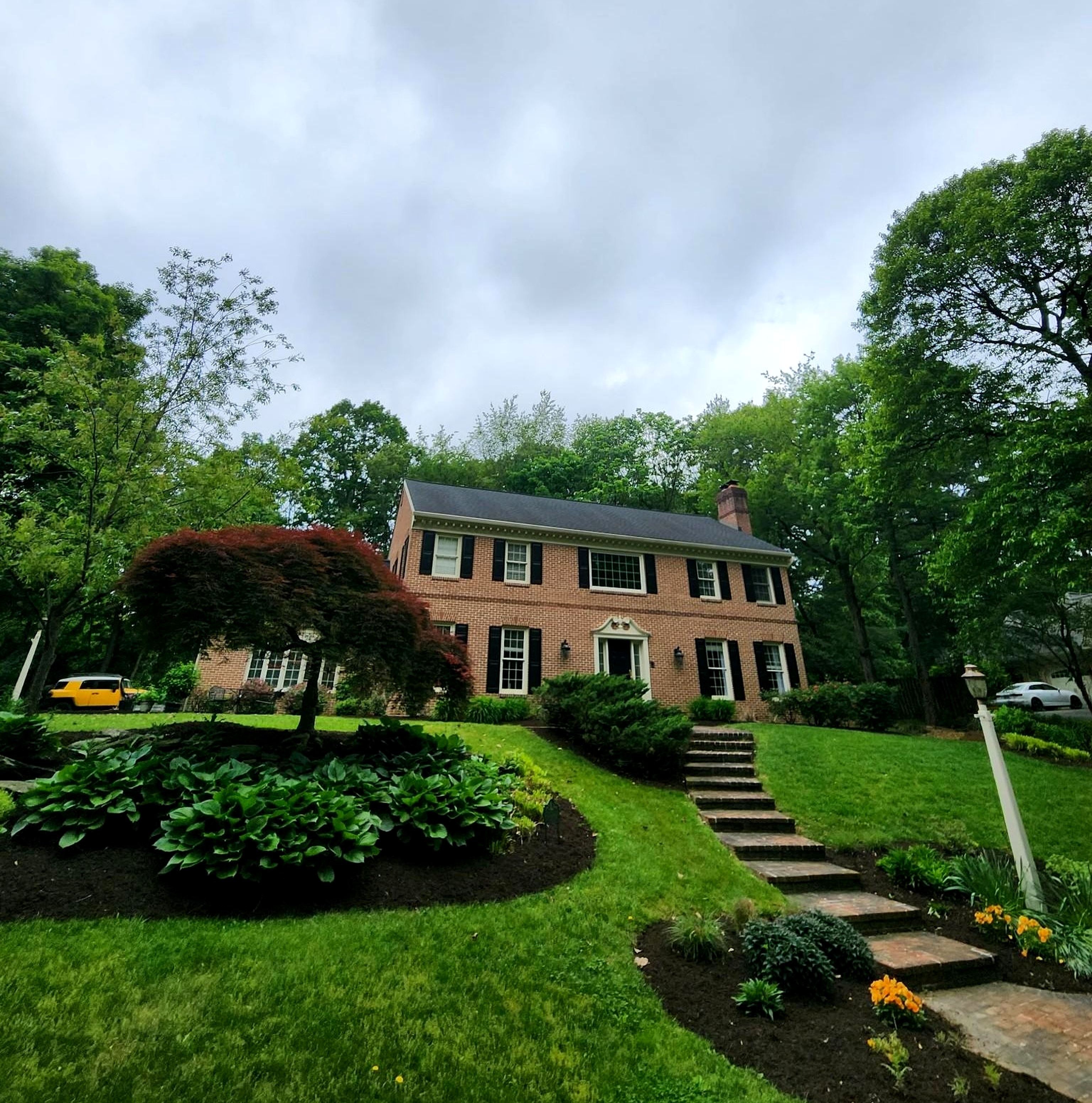
Gardening with Purpose: Designing Landscapes with Biodiversity and Aesthetic Appeal Oct 30, 2025
The first step in designing a landscape with biodiversity in mind is to assess your local environment. Understanding the native plants and wildlife is crucial. Native plants offer a home and food source for local fauna, enhancing the natural balance of your garden. They require less maintenance, which means less watering and fewer pesticides, ensuring a more sustainable garden. For example, incorporating a variety of native perennials can attract pollinators like bees and butterflies, which are crucial for plant reproduction and biodiversity. This not only brings color and life to your garden but also supports important ecological processes.
A well-balanced landscape design incorporates diverse plant species. This diversity discourages pests and diseases from spreading while promoting a healthier ecosystem. Consider integrating different types of plants such as trees, shrubs, and ground covers. This layered approach provides various habitats and nesting sites for birds and insects. For instance, placing taller trees around the periphery and smaller shrubs in the center can create a visually appealing look while setting up a natural refuge for wildlife.
Besides plants, water features can significantly enhance both aesthetics and biodiversity. A pond or a small waterfall can serve as a home for frogs, fish, and other aquatic creatures. It also attracts birds and insects, creating a lively, dynamic environment. Properly installed, these features can transform your garden into a peaceful haven while supporting local fauna.
Hardscaping elements like stone paths or gravel beds can complement the greenery while enhancing the usability of your garden space. These elements can serve as walkways, define areas within the landscape, or act as natural barriers. The contrast between the hardscape and softscape elements adds to the visual appeal and functionality of the outdoor space.
Sustainable gardening practices are also crucial when creating a garden that supports biodiversity. This includes using organic fertilizers and pest control methods. Composting kitchen and garden waste is an excellent way to enrich the soil naturally, promoting healthier plant growth. Additionally, implementing rainwater harvesting systems reduces dependency on municipal water and provides a sustainable water source for your plants.
Involving local wildlife organizations in your garden design can provide insights into creating a more biodiverse-friendly environment. They can offer advice on plant selection and garden layout to ensure that your garden supports as much local biodiversity as possible.
In conclusion, designing a landscape with biodiversity in mind requires thoughtful planning and consideration of the local ecosystem. By focusing on native plants, integrating diverse species, adding water features, and practicing sustainable gardening, you can create a garden that is not only beautiful but also environmentally sound. At Wiley Landscape Design, our goal is to help you craft outdoor spaces that are both aesthetically pleasing and ecologically valuable. A garden that serves its environment well will ultimately be more sustainable and rewarding for the gardener. By embracing these principles, you contribute positively to the ecosystem, creating a legacy of beauty and biodiversity for future generations to enjoy.
/filters:no_upscale()/filters:format(webp)/media/f520f8ce-19ff-4a4e-8a1f-53cbba8afa38.jpeg)
/filters:no_upscale()/filters:format(webp)/media/7d0c3a18-3892-491d-a532-492bb26f3d61.jpeg)