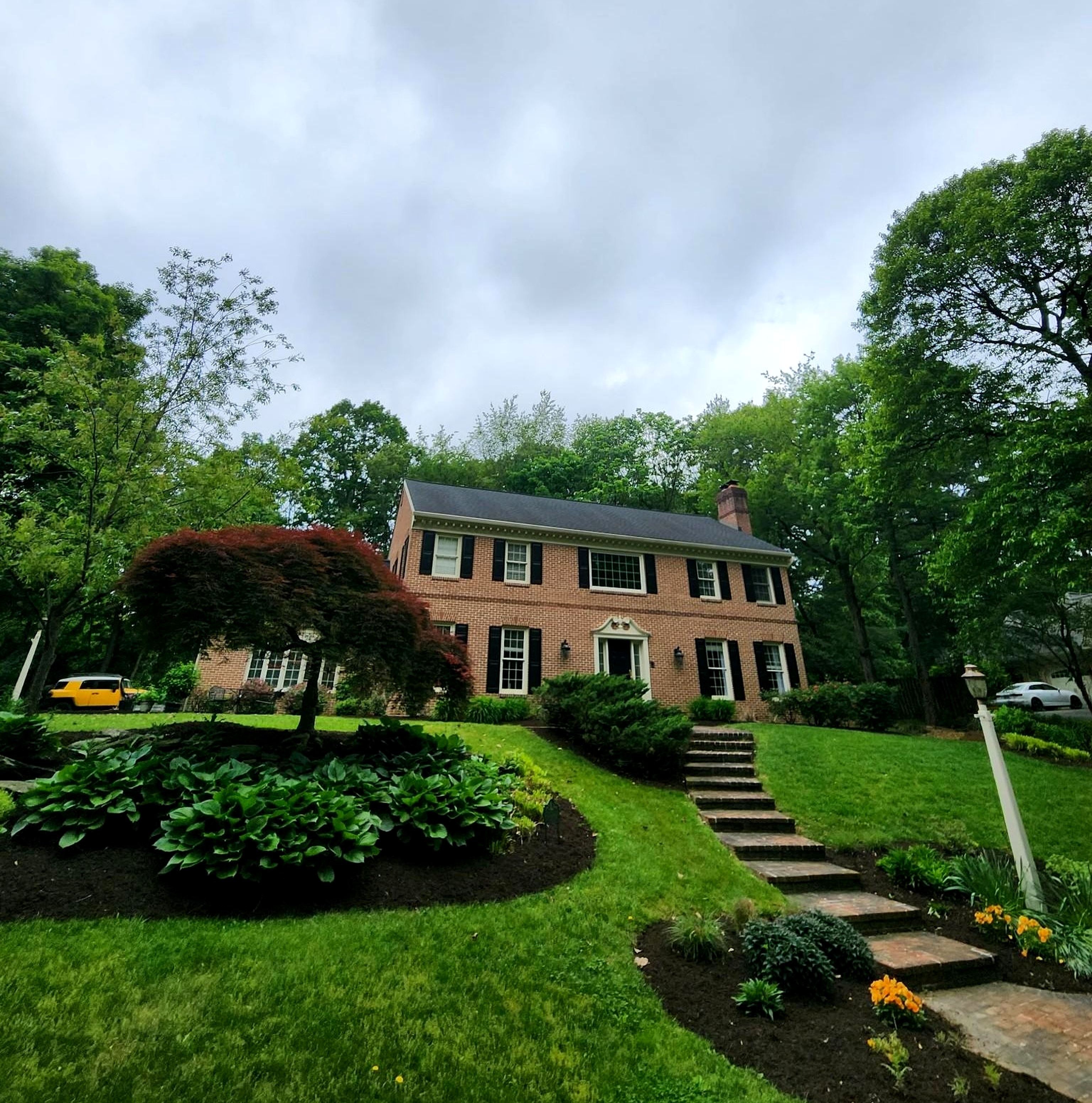
Attracting Pollinators: Designing a Vivid, Eco-Friendly Garden with Wiley Oct 08, 2025
Pollinators are crucial for the health of ecosystems, and encouraging their presence can lead to a more robust and lively garden. To start, one must think beyond aesthetics. It’s essential to choose a variety of native plants, as these are already adapted to the local climate and provide a natural food source for pollinators. Native plants like milkweed, coneflowers, and black-eyed Susans are naturally appealing to butterflies and bees. Additionally, consider including a mix of flowering plants to ensure blooms throughout different seasons. This continuous supply of nectar helps support pollinator populations year-round.
The layout of your garden also plays a significant role in attracting these vital creatures. At Wiley Landscape Design, we recommend creating clusters of flowers rather than singular plantings. This grouping approach catches the attention of pollinators more effectively. Furthermore, layer your plantings with varying heights and textures to create a habitat rich in biodiversity. This method provides shelter and feeding opportunities that cater to a variety of species.
Incorporating hardscaping elements can elevate the charm of your garden while enhancing its appeal to pollinators. Features like a birdbath or a small water garden provide hydration sources, which are crucial, especially during hot and dry spells. Stone paths or rock gardens not only add visual contrast but also offer basking spots for butterflies. Moreover, using natural materials ensures that your garden aligns with eco-friendly practices, minimizing the environmental impact.
Sustainable gardening practices are at the core of creating an eco-friendly space. When designing a pollinator-friendly garden, it’s essential to minimize or eliminate the use of pesticides and synthetic fertilizers. These substances can be harmful to pollinators and other beneficial insects. Instead, consider organic alternatives and focus on building healthy soil through composting and mulching. These methods support a thriving garden ecosystem, which in turn, attracts more pollinators.
Creating dedicated habitats, such as butterfly houses or bee hotels, can encourage specific pollinators to visit and even reside in your garden. Placing these structures in secluded areas away from foot traffic increases their effectiveness. Remember, the more inviting and accommodating your garden is, the more likely it is to become a haven for pollinators.
As you embark on the journey of designing your vivid, eco-friendly garden, remember that patience and attention to detail are key. At Wiley Landscape Design, we offer expertise in both landscaping and hardscaping, ensuring that every element of your garden is both functional and beautiful. By prioritizing natural beauty and environmental health, you’re not only enriching your own space but also contributing positively to the wider ecosystem.
In conclusion, cultivating a pollinator-friendly garden is an investment in the environment and your personal well-being. With the right mix of native plants, thoughtful design, and sustainable practices, your garden can become a thriving sanctuary. Trust Wiley Landscape Design to guide you in crafting a landscape that resonates with nature’s symphony, where every visit from a pollinator is a testament to the beauty of harmony with nature.
/filters:no_upscale()/filters:format(webp)/media/f520f8ce-19ff-4a4e-8a1f-53cbba8afa38.jpeg)
/filters:no_upscale()/filters:format(webp)/media/7d0c3a18-3892-491d-a532-492bb26f3d61.jpeg)